Quality pet
ferrets for Perth
Family-friendly pets
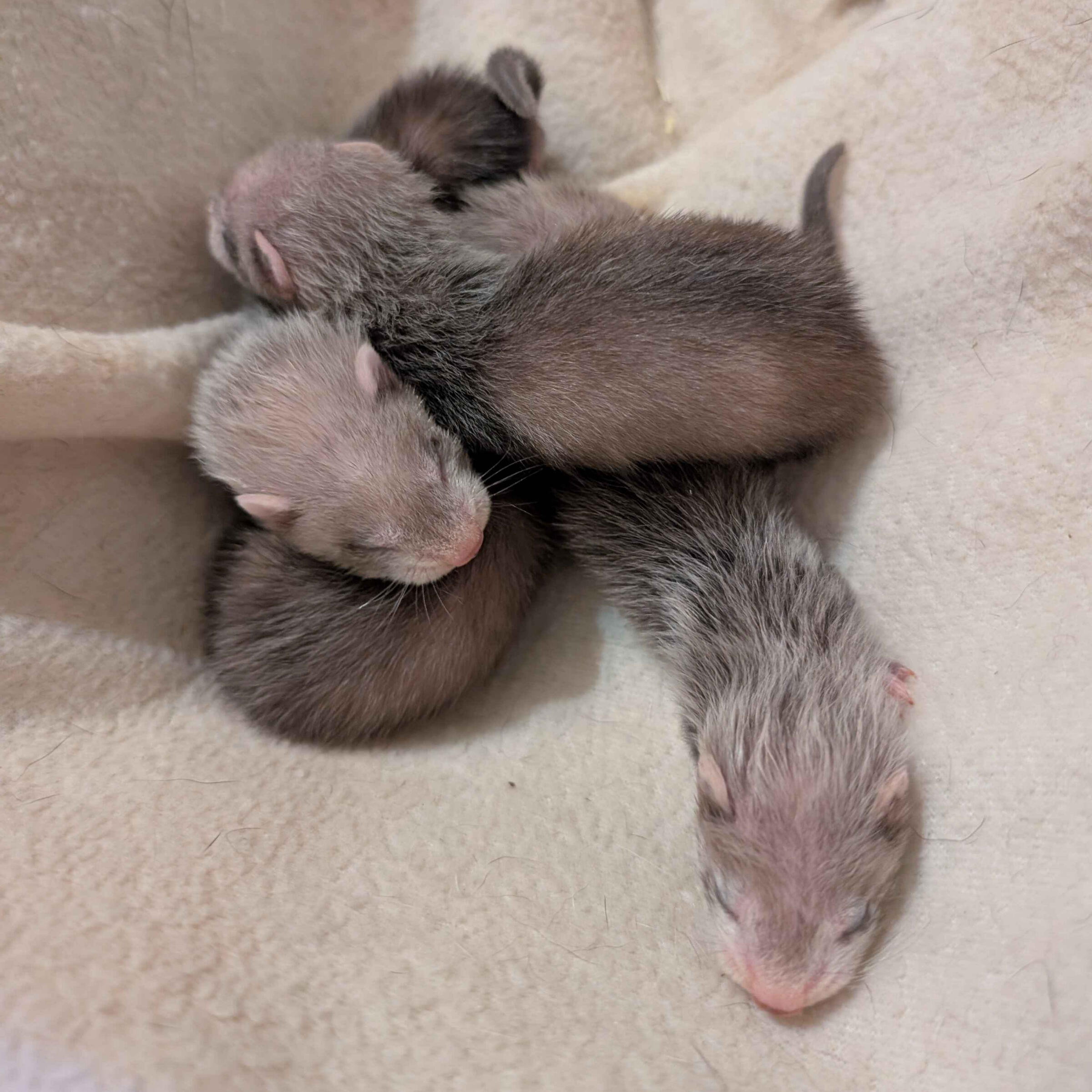
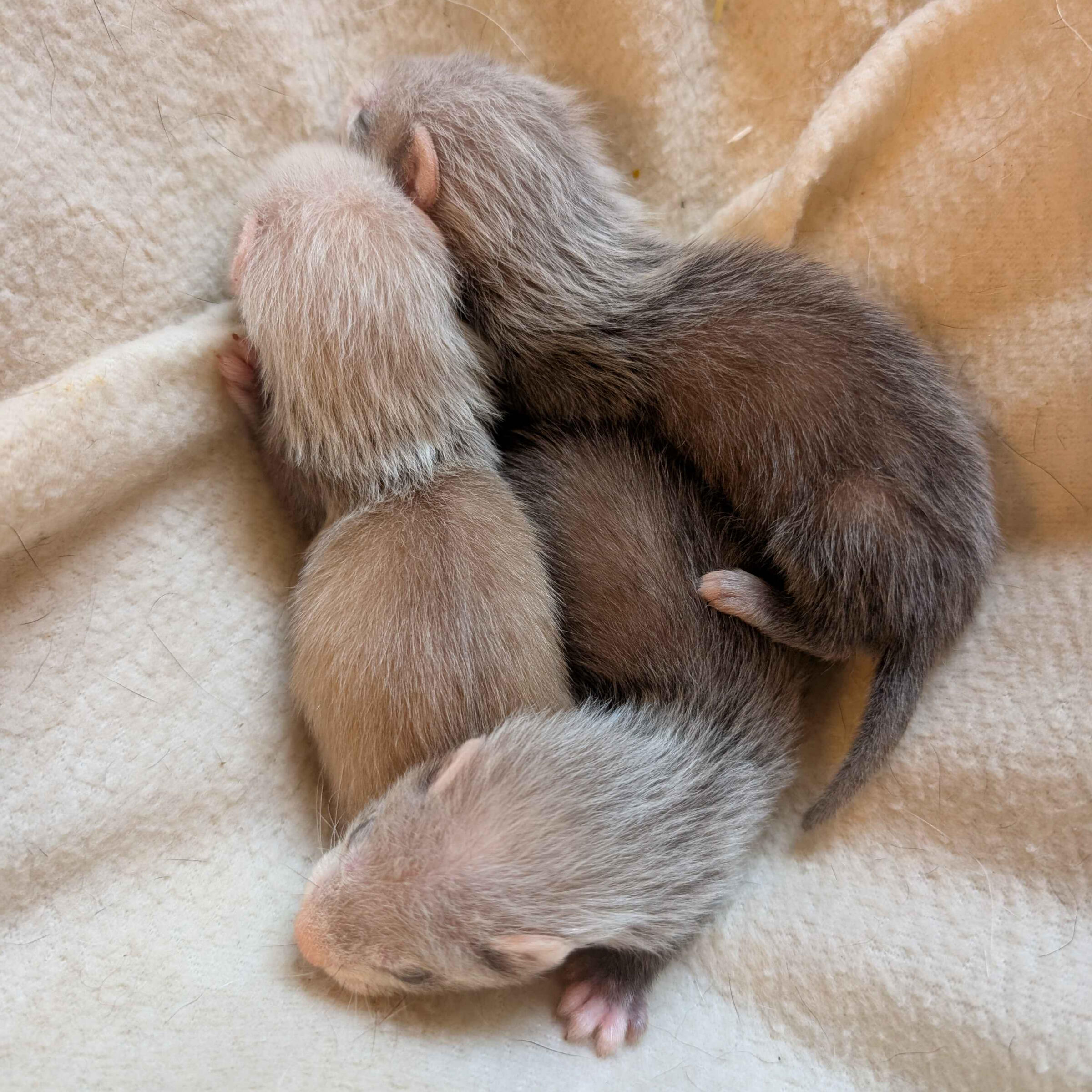
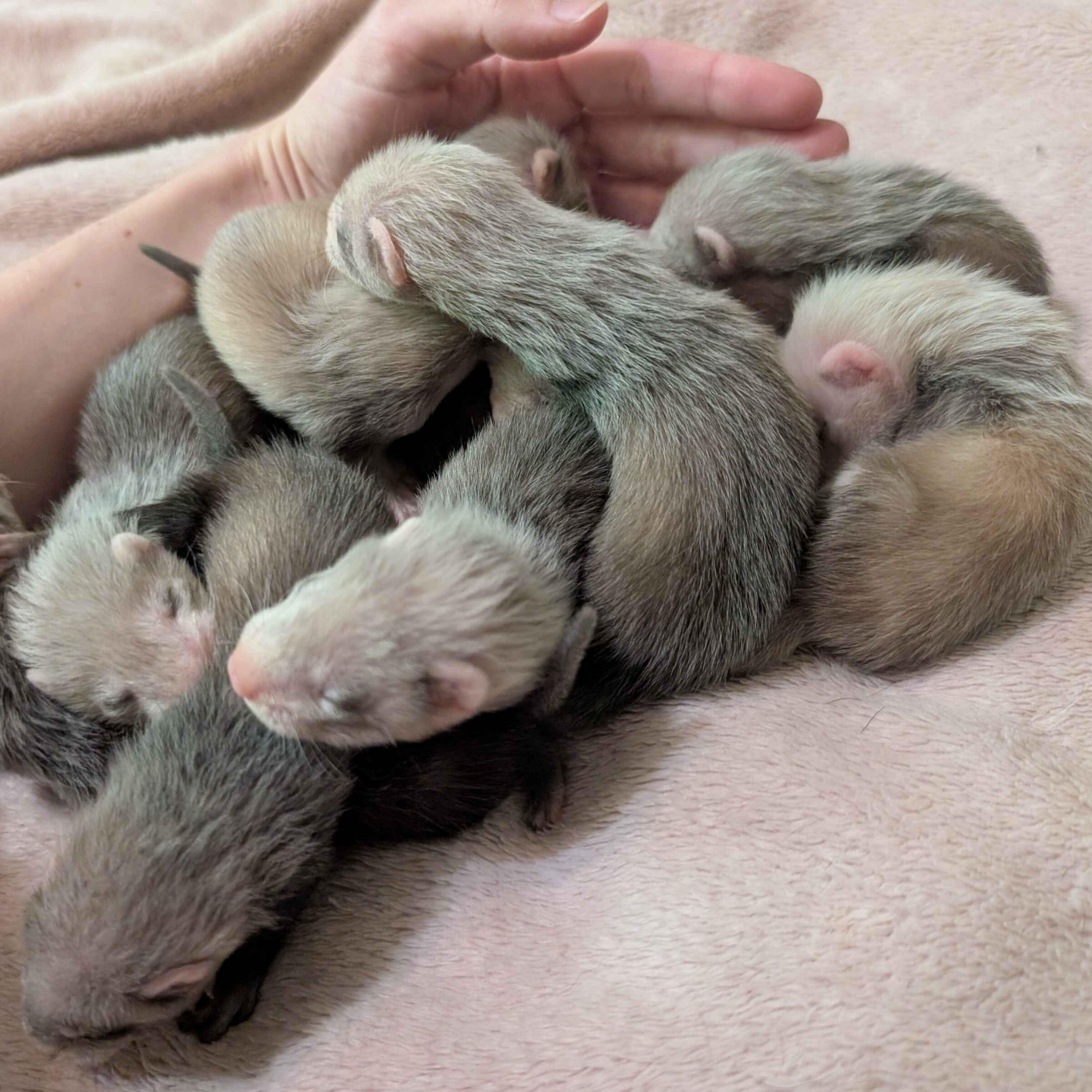
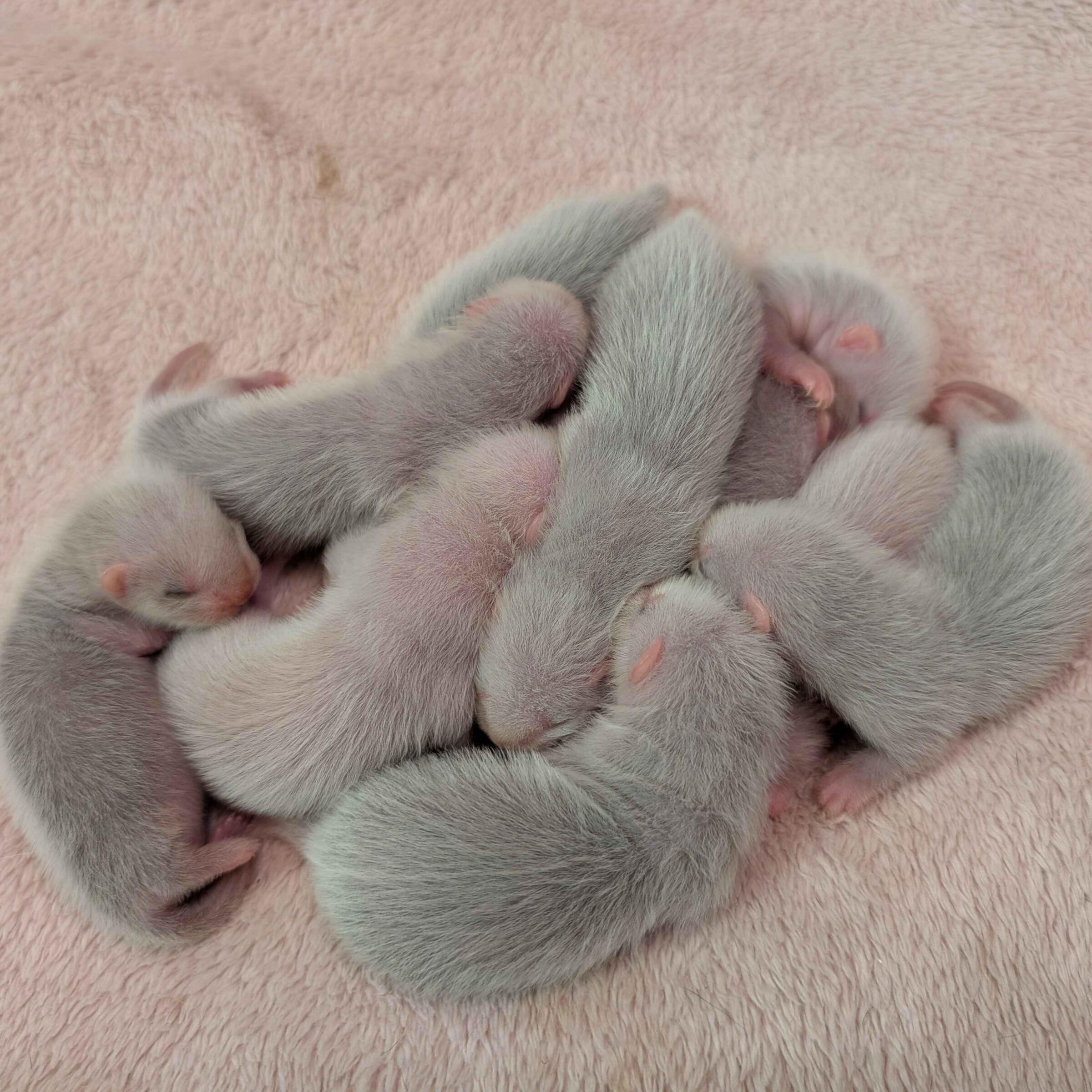
Our ferrets are raised indoors and engage with humans and play time every day. We pride ourselves on exposing our kits to a variety of experiences and people from a young age to aid with their transition to their new homes.
Profesional parental lineage and genetic tracking
Professional registered breeder
New litters available October-April every year
Make sure you get your name registered for our next available litter. We operate on a first-come-first-served schedule.
About Mae's Ferrets
Quality Ferrets Guaranteed
Selective & Responsible Breeding
We only pick the best of the litter to continue the next generation. We test temperament, genetic abnormalities, recessive inheritance potential, and WAFFS quality ferret standards.When outbreeding, we work with only qualified, reputable breeders, even bringing in new blood from over east to benefit the limited gene pool of ferrets Australia has.We are a professional breeding organisation, NOT backyard breeders. We have our own ABN and function as a business for the benefit of quality ferret lineages, not for profit.We DO NOT sell to pet stores and strongly discourage people purchasing ferrets from pet stores.
Improving Care Practices
Scientifically-Accurate Information
All advice we provide has been backed by peer-reviewed studies from the National Institute of Health.We are always looking for ways to broaden our horizons, provide even more accurate and beneficial information, and improve our own knowledge on ferret care.All our kits come with sales receipts confirming your adoption of one of Mae's Ferrets.Mae's will remain as a secondary contact number on the microchip in the case of them being handed over or found at a shelter/pound. This is for safety reasons. Other secondary contacts are allowed to be placed before Mae's. DO NOT change the secondary contact number.
Professional
Registered Breeder
Our Story...
From 2 to 5 to MANY
What started off with two girl ferrets slowly spread into a love for the funky, entertaining, excitement-driven balls of energy! From late night movie cuddles to midday crazy zoomies, they became so loved we couldn't help but expand the swarm.A boy was added to the mix, followed by two more girls, and thus the story of Mae's Ferrets began!We've engaged in a lot of research and communication with other breeders, both in Australia and outside. We have ferrets imported from the eastern states, as WA ferrets are limited in their genetics.Our adult ferrets go on outings to local parks to meet other people and get in some exploration. They're walked on a leash, much like a dog, and you can have yours doing the same with a bit of treat training!We are a member of the WA Ferret & Ferreting Society (WAFFS) and work in collaboration with Vice President Barry and the Rescue Coordinator Stephenie. Please consider contacting them and being put on their waitlist for a rescue!
Animal Lovers
Big & Small
Kit Guarantees
All our ferrets live indoors in our living-dining area with airconditioning. They are free-roam and trained with kitty litter, but locked away at night time and for feeding. They climb around on cat towers, zoom through play tunnels, hide underneath the fluffy dog bed, and spread out to relax on the couch for a bit of comfort.Our ferrets are fed raw meats from Eastern Districts Pet Food, home grown breeder-feeders, our local IGA—all 100% animal with no additives. They are given a variety of: beef, lamb, chicken, pork, rabbit, kangaroo, emu, rat, camel, donkey... many!They are exposed to cats and dogs through secure barriers to build tolerance to potential allergens and to help them with moving to their new homes if you have some extra furry friends around.All kits from us come fully microchipped and vaccinated at 12 weeks old, meaning they have a full year of protection before their next vaccine is due. Their claws are trimmed and they are given an oatmilk bath before going to their new homes. We treat our ferrets with moxidectin for worming and pyrethrins for fleas, ticks, and mites.
Quality & Health First
Animal Lovers
Big & Small
Buns
We also breed rabbits
If you are a household that has smaller children or older people, a rabbit would be more suited to your lifestyle. Ferrets require constant play and attention, and sometimes they are too rough for youngsters and the elderly to handle.
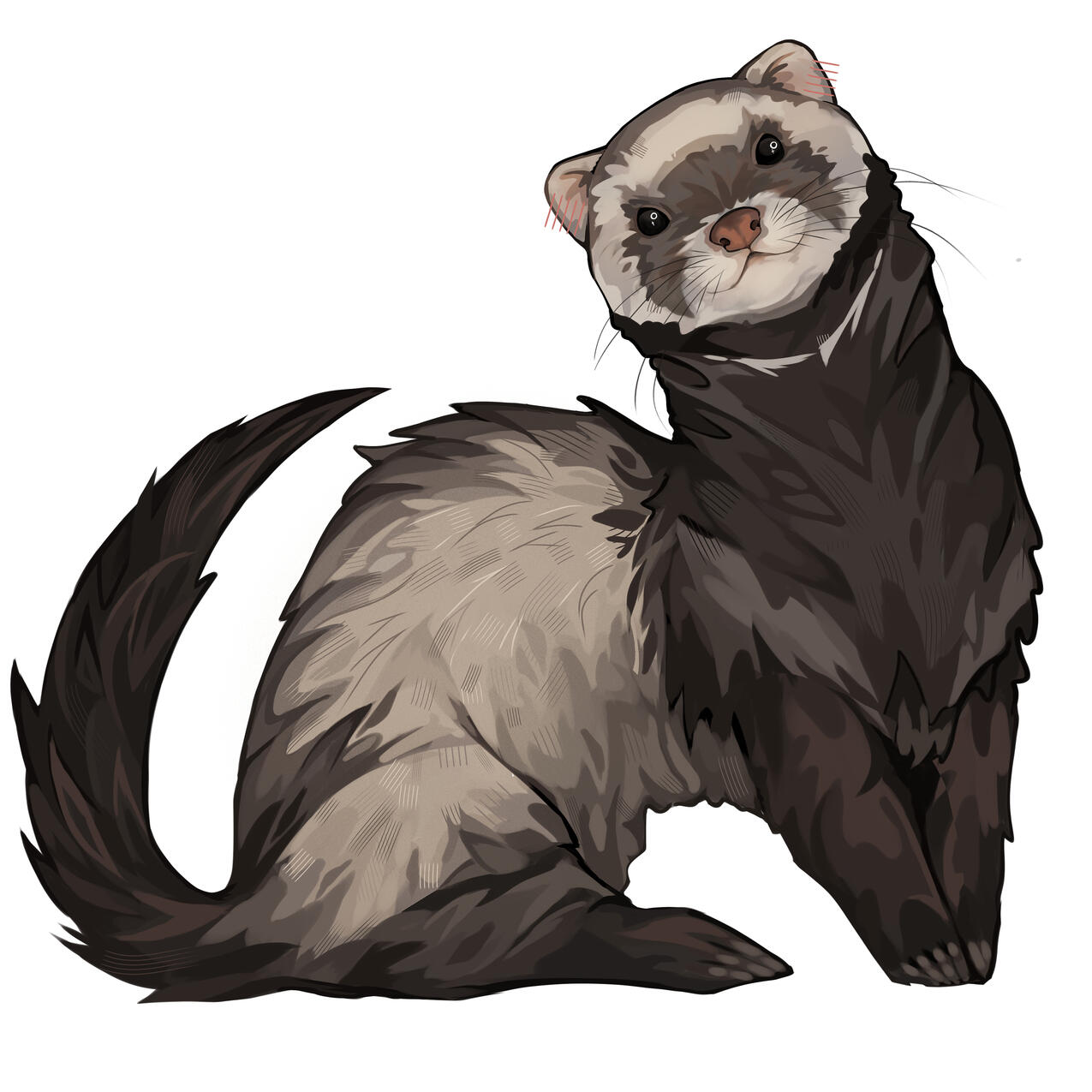
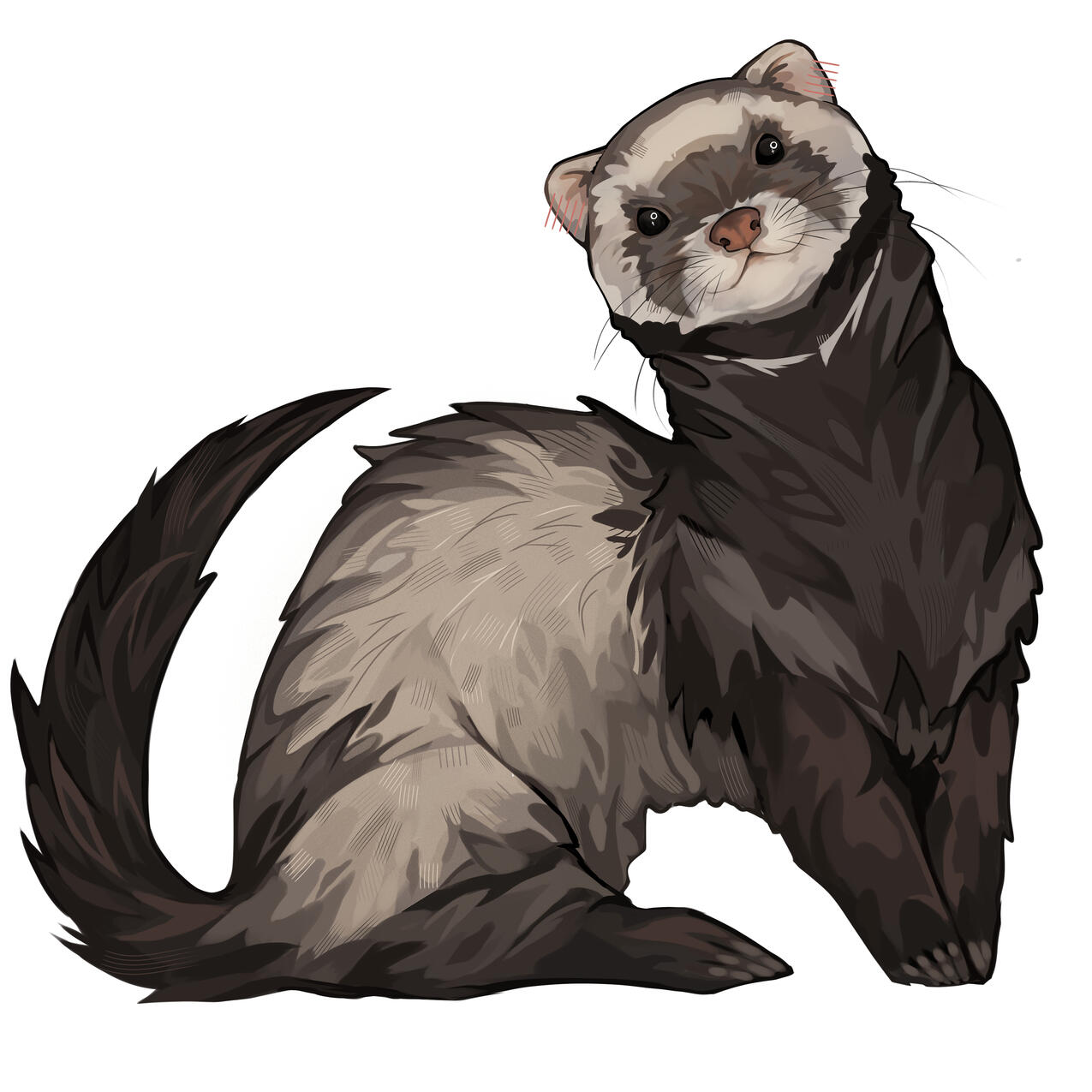
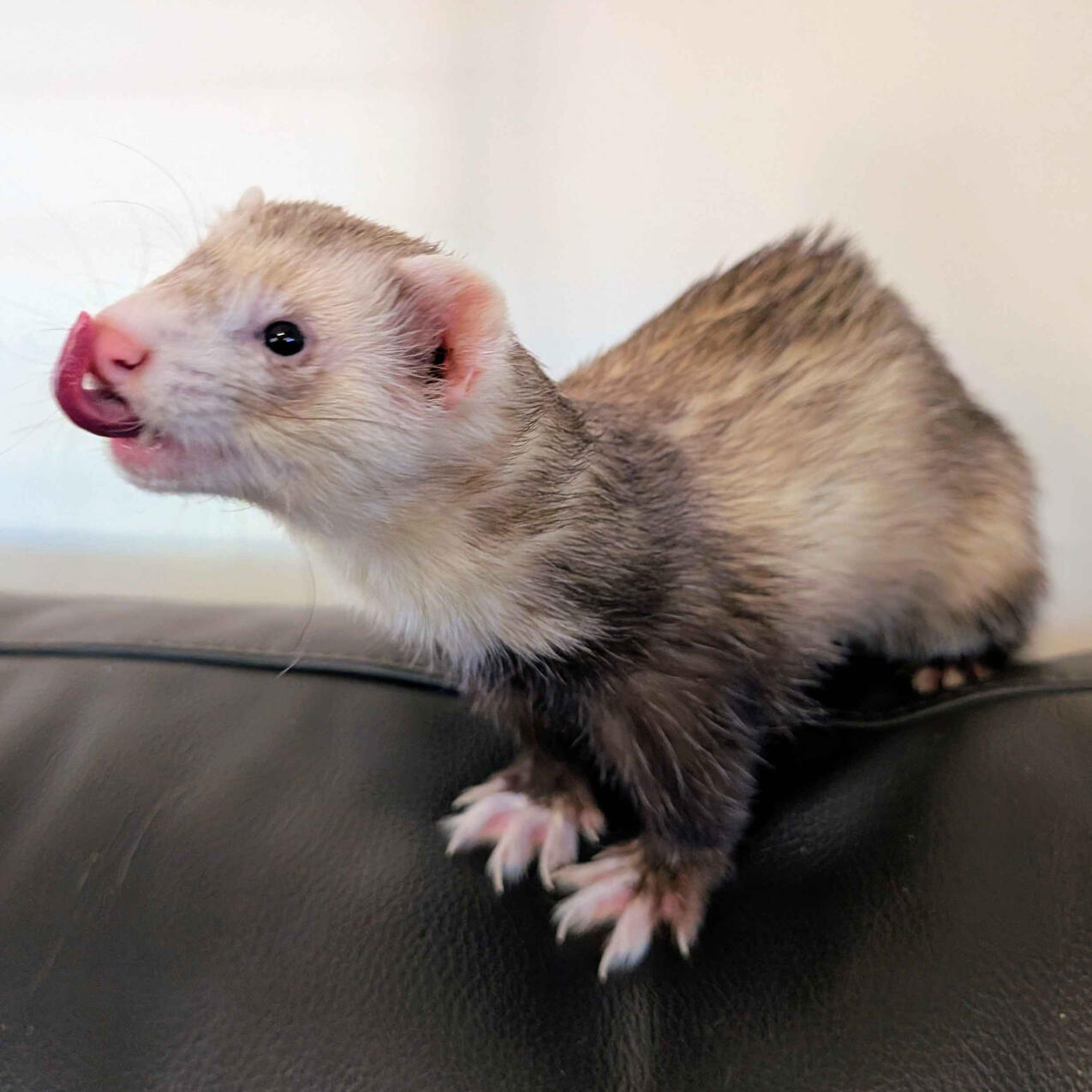
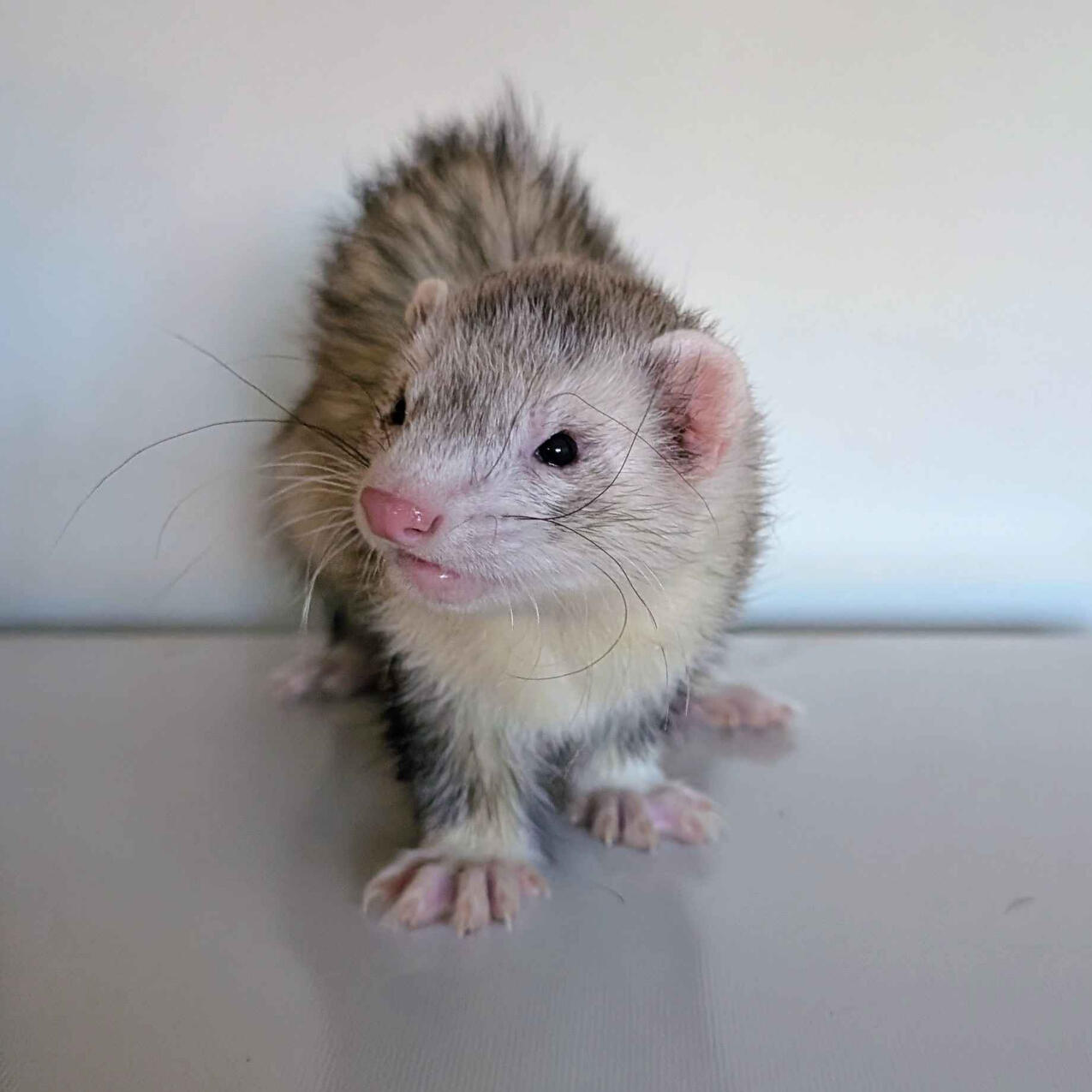
Our Jills

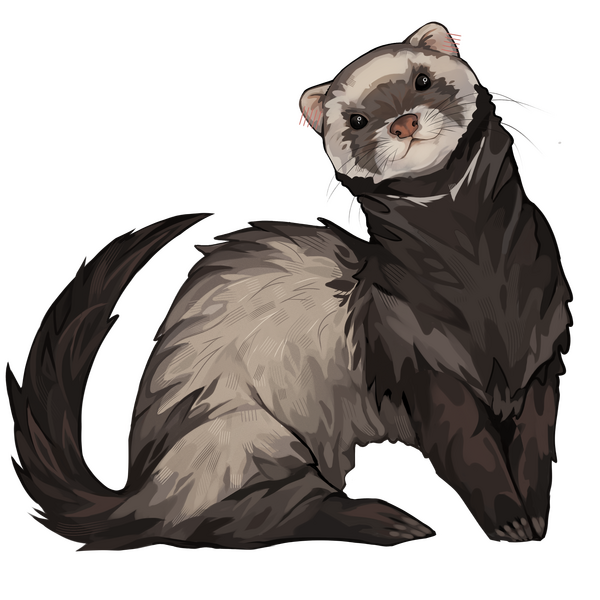
Qi - #A002
Bibbed Milktoed Sable
Xue - #B004
Chest-Marked Black
Mian - #B005
Chest-Marked Black
Asil - #D006
Albino
Maki - #G008
Dapple Bellied Bibbed Milktoed Sable
Mu - #B004H6
Bibbed Milktoed SableRuby - #I011
Dark-Eyed WhiteMem - #J012
Bibbed Milktoed ChocolateKana - #K013
BlackAi - #L014
Bibbed Mitted SableAkane - #M015
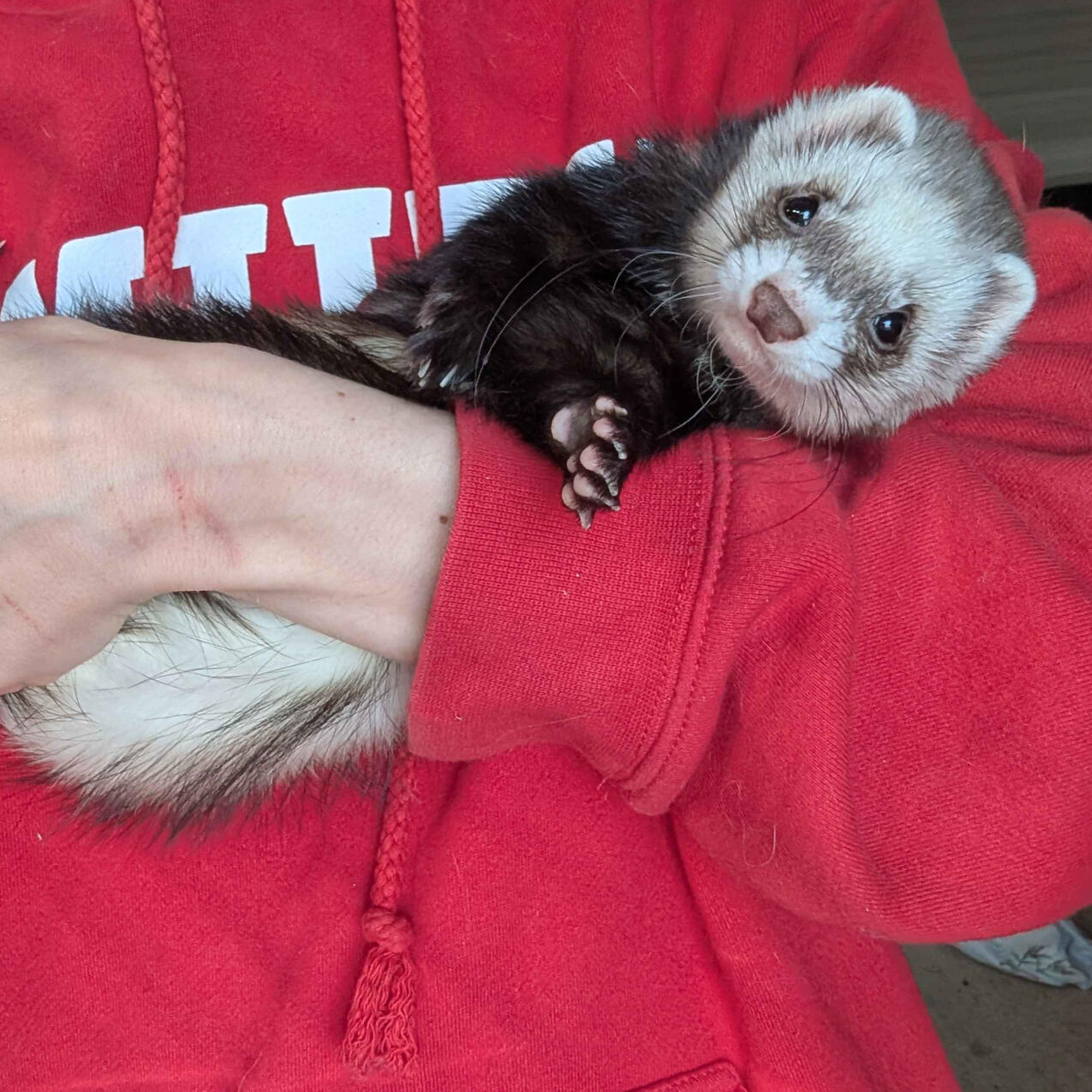
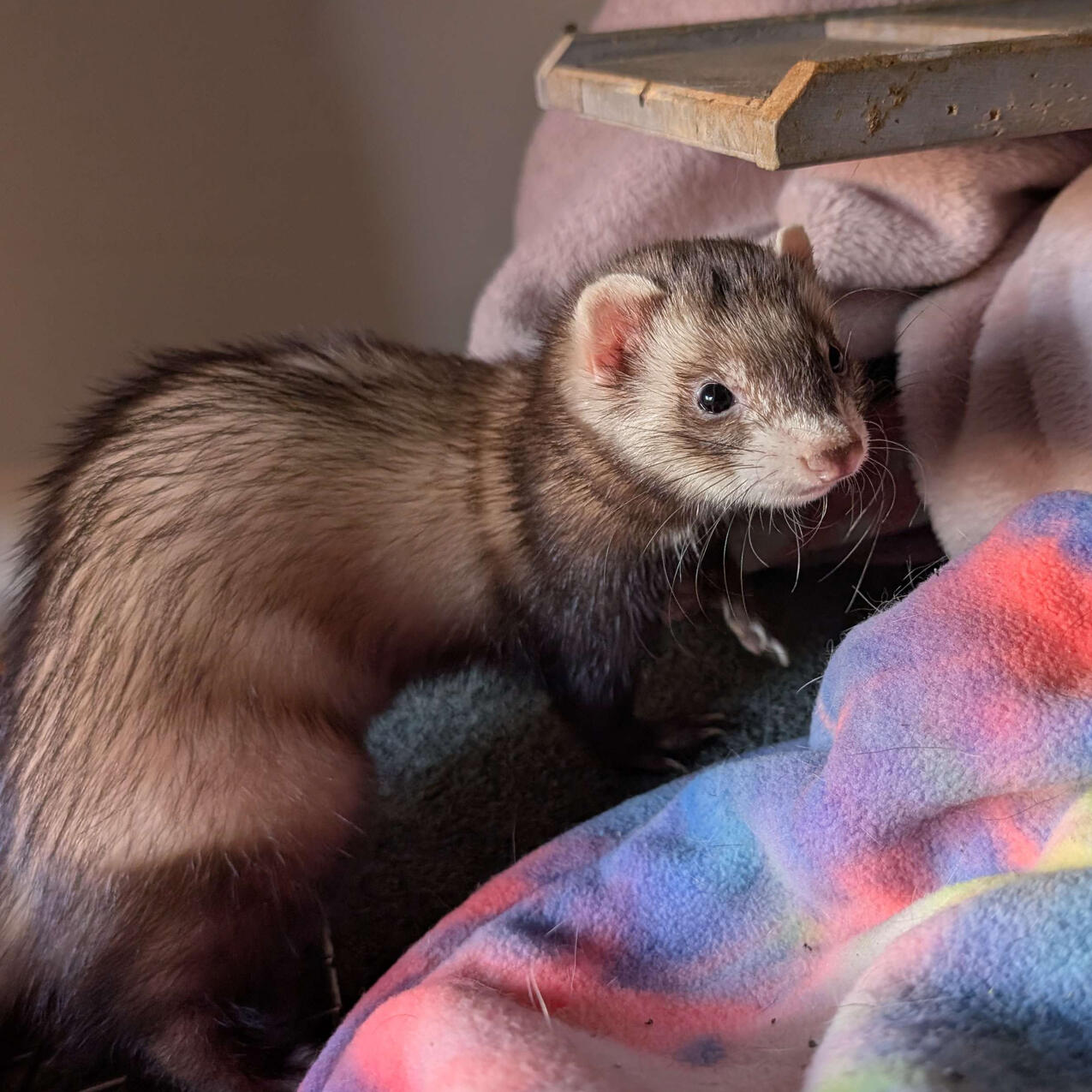
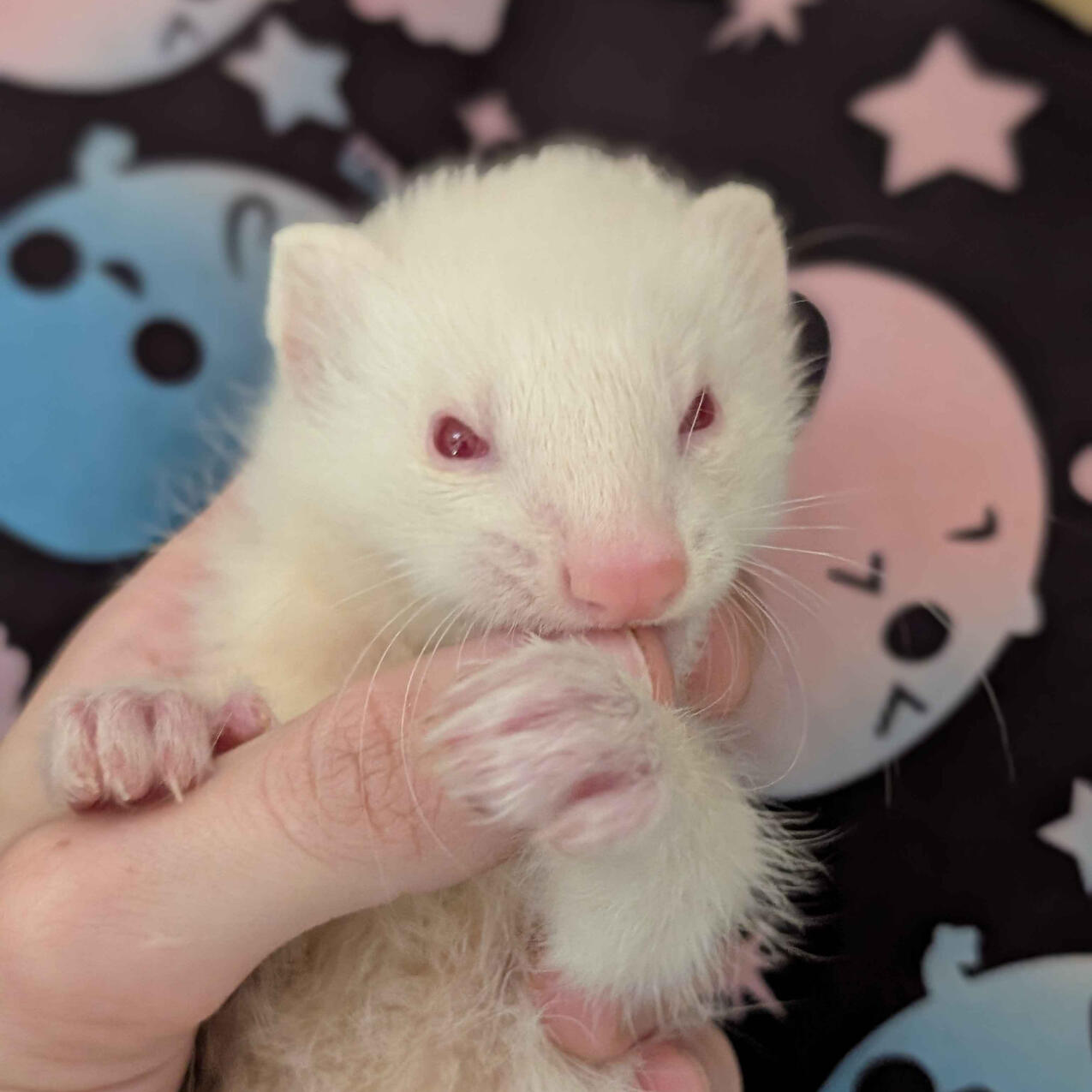
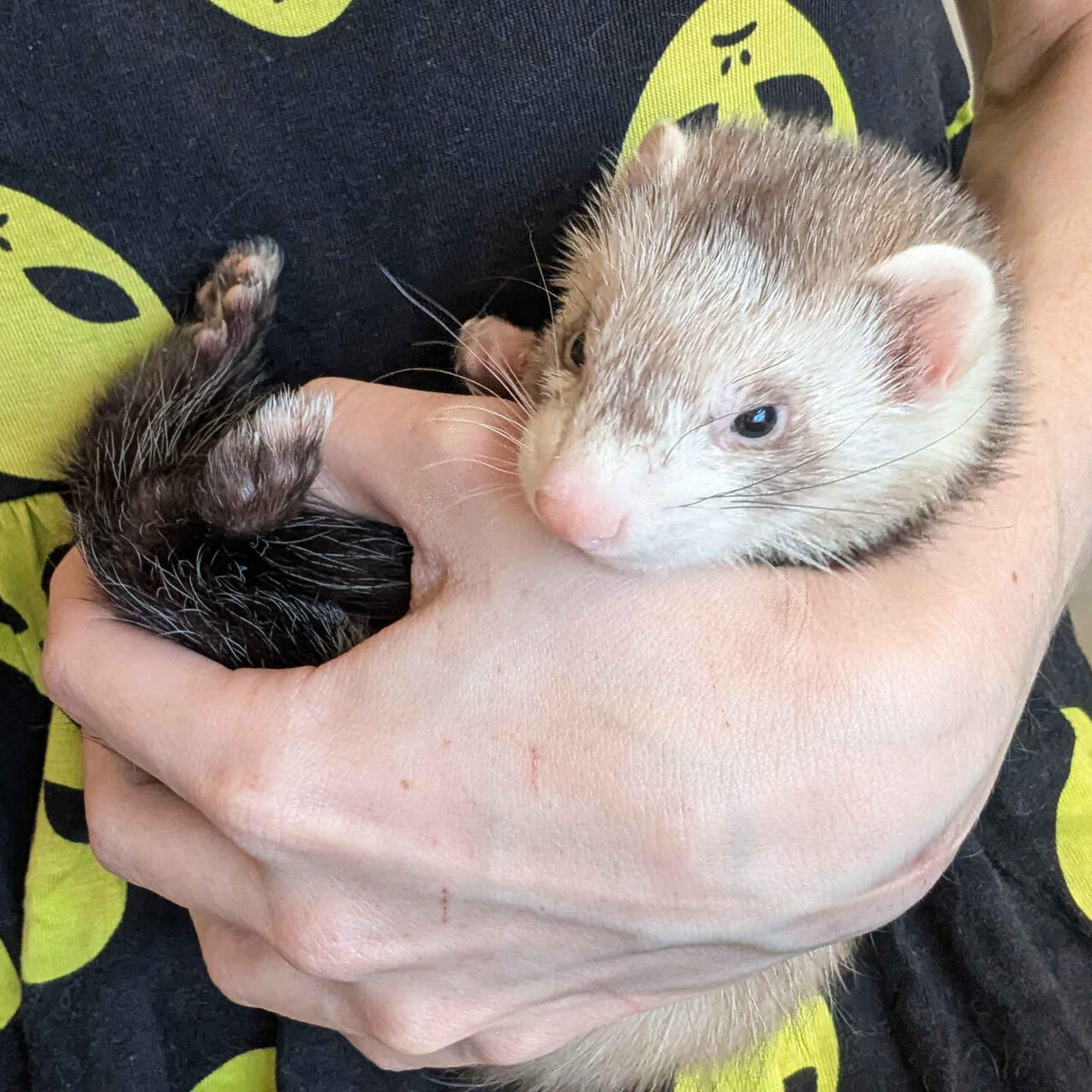
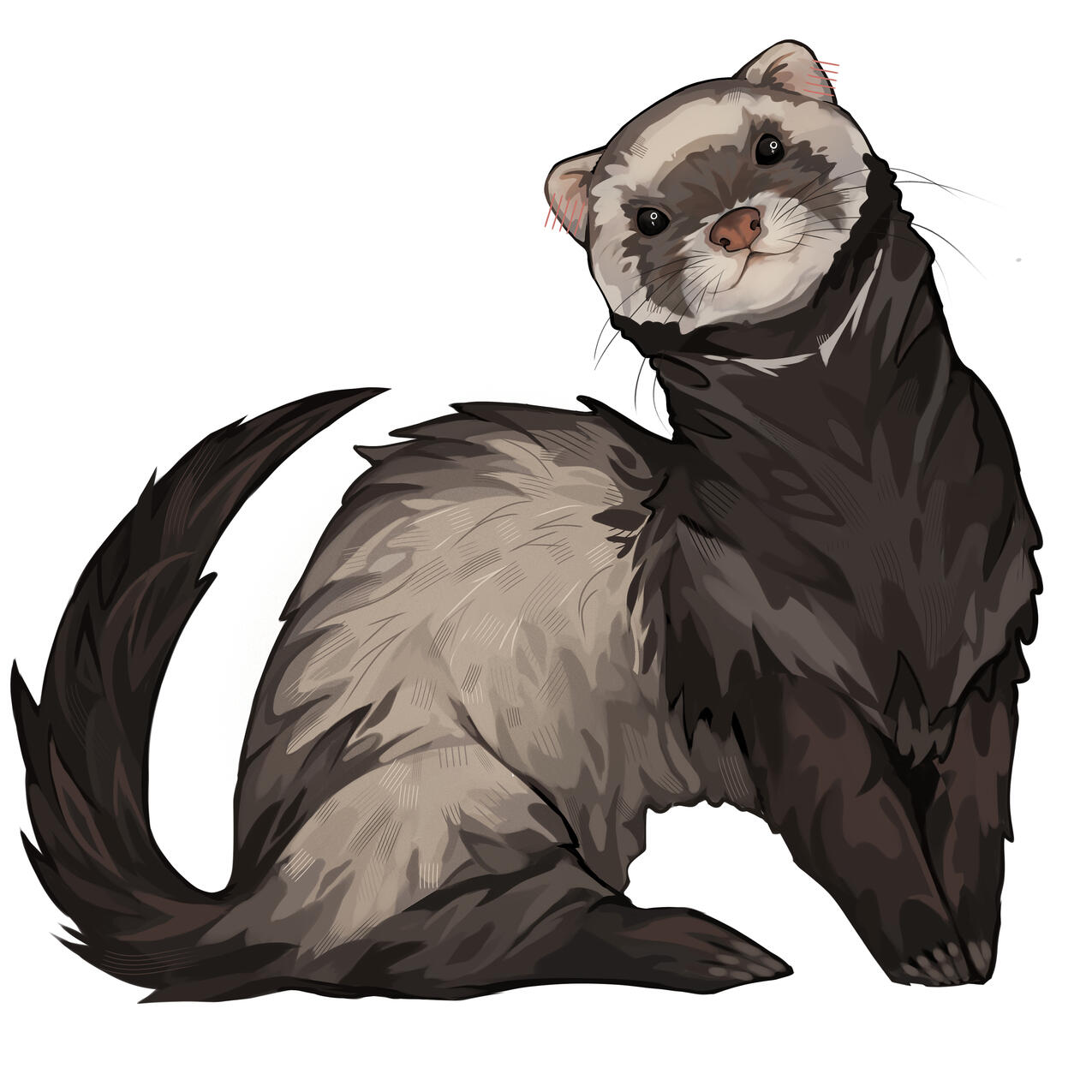
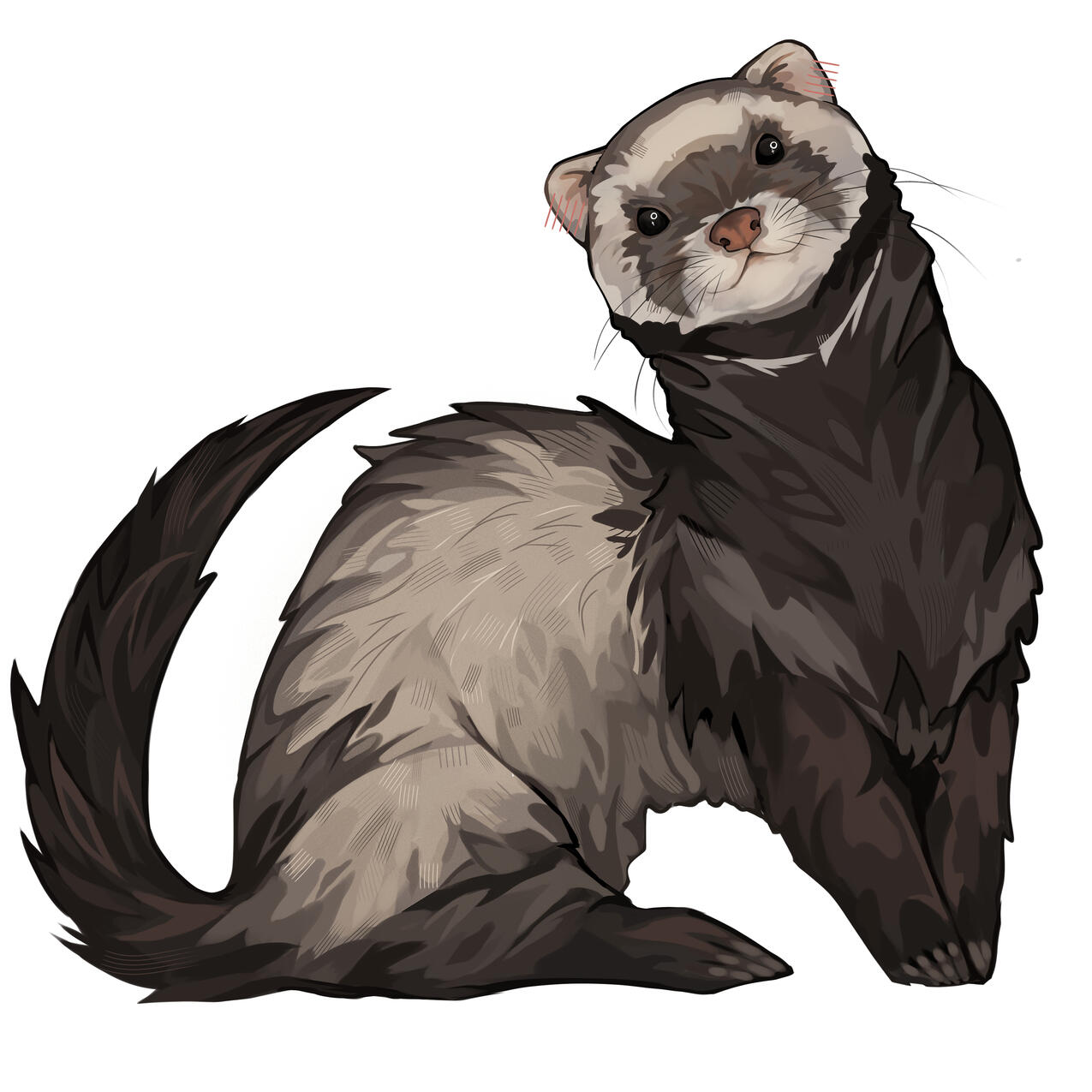
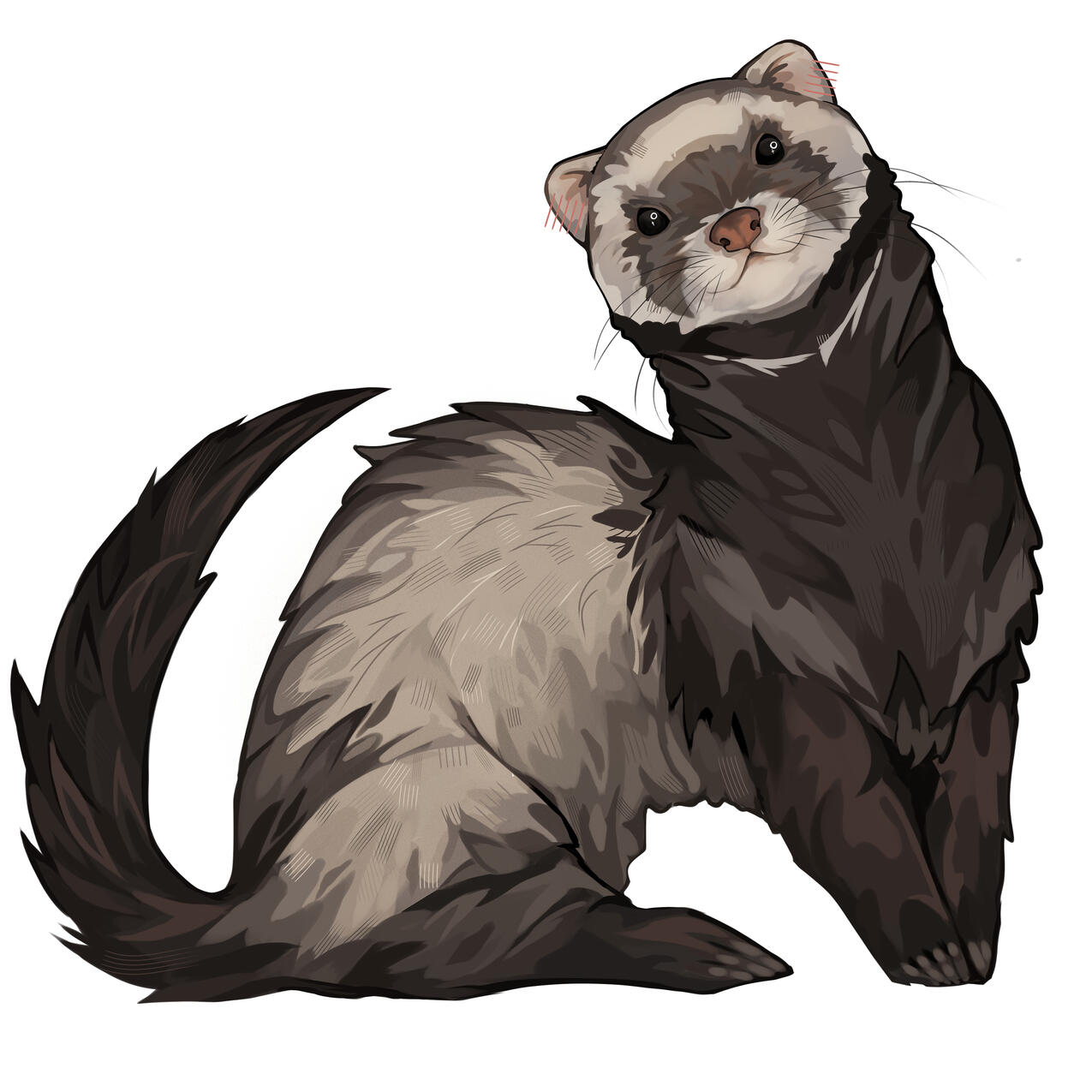
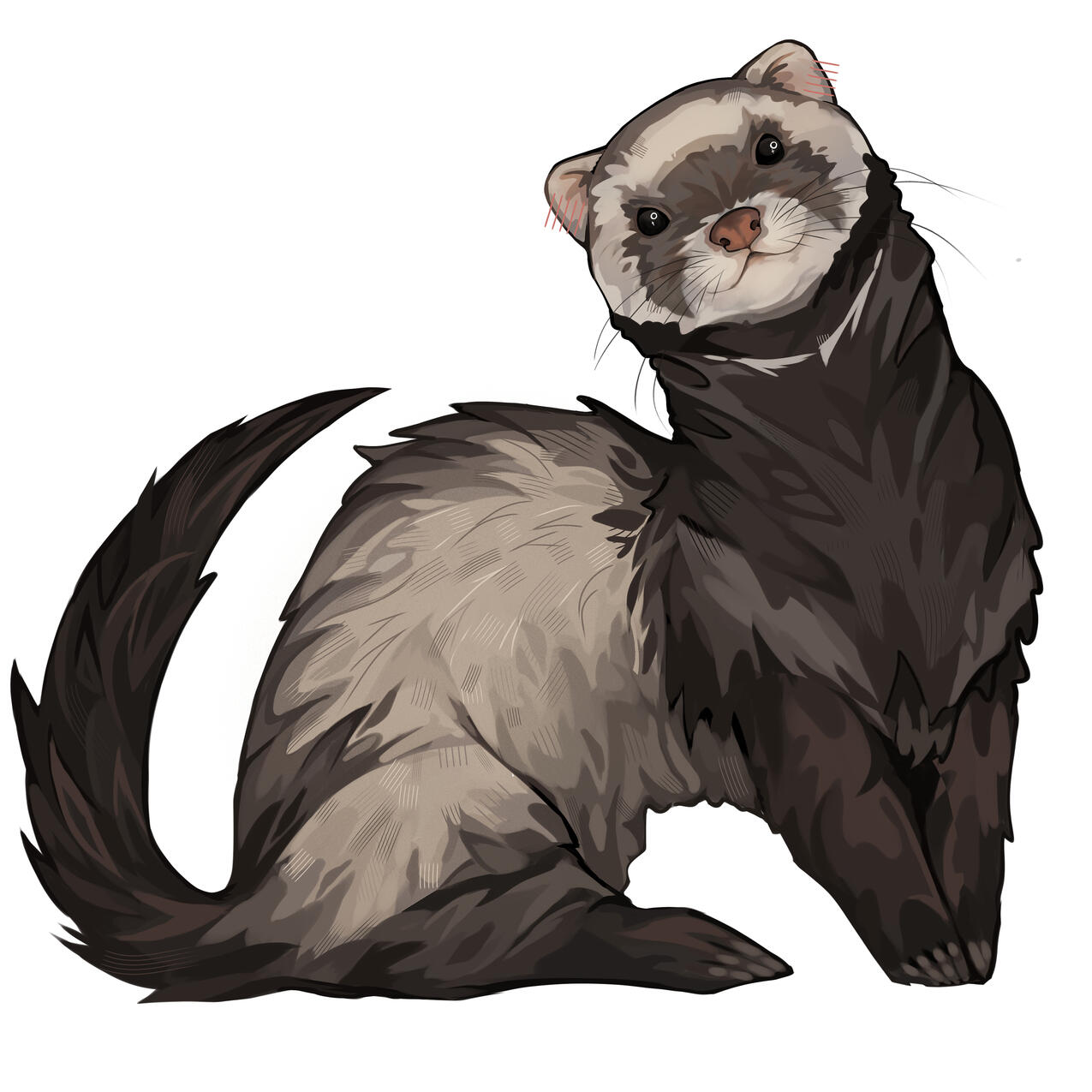
Our Hobs

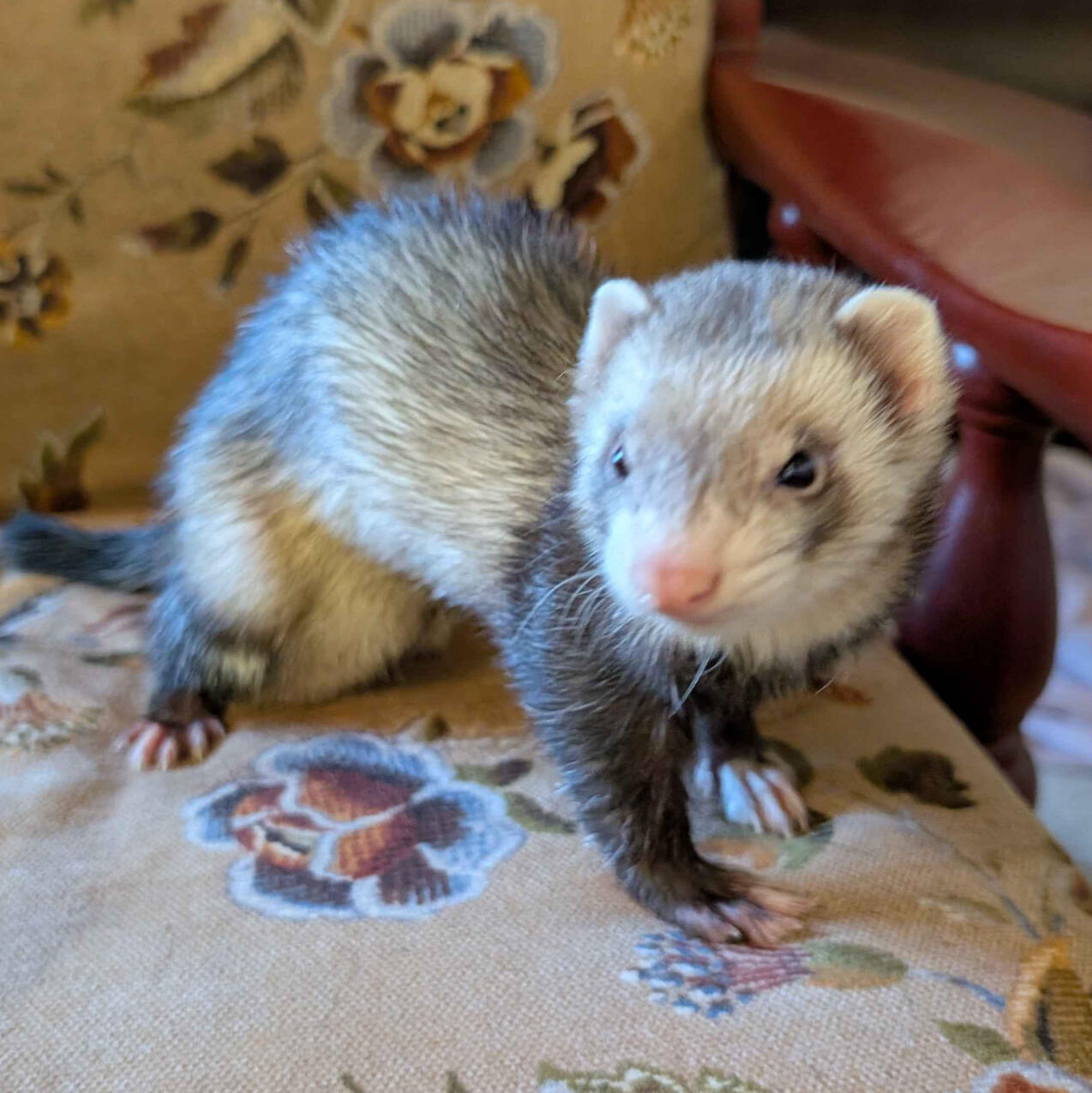
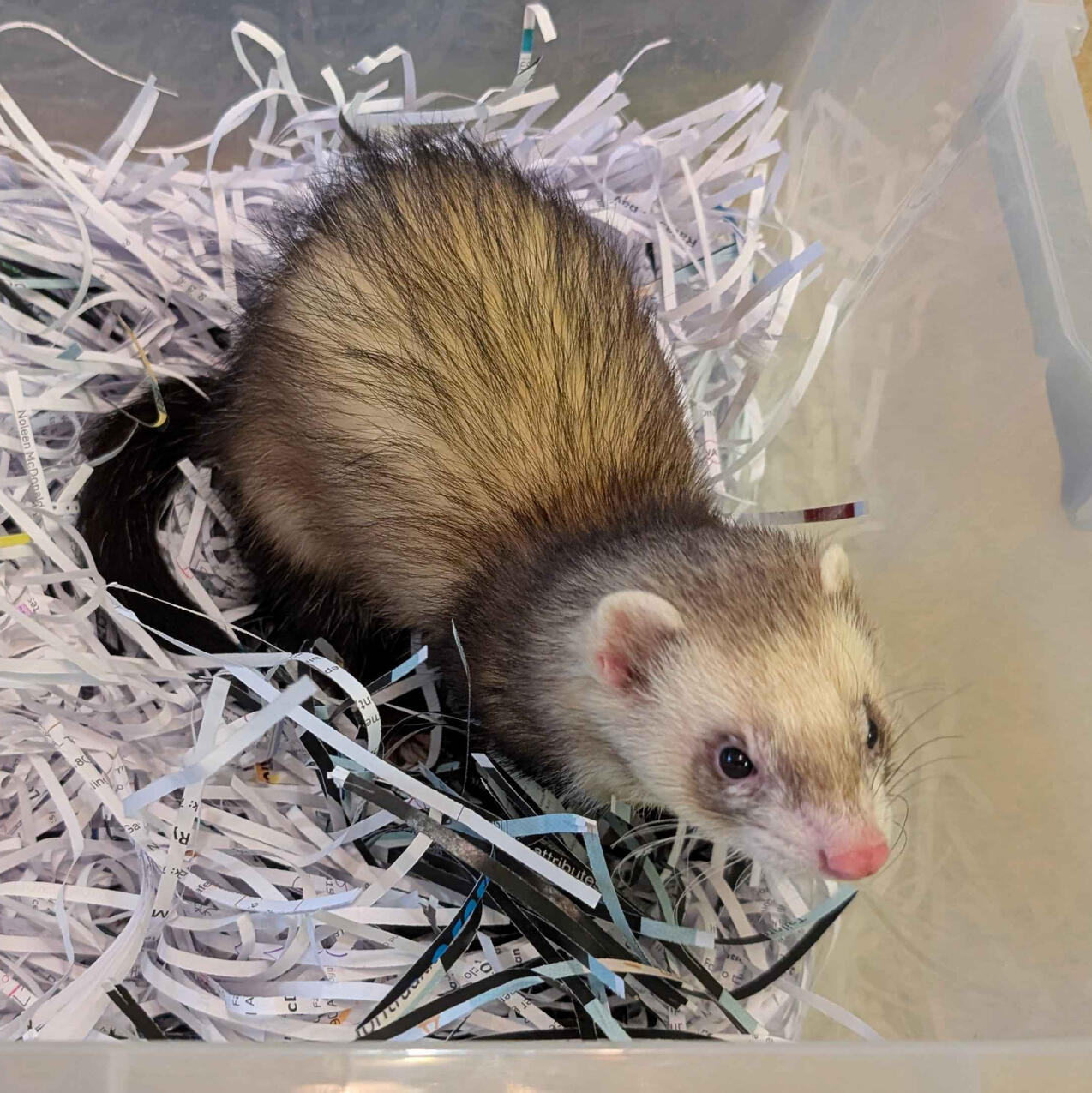
Hua - #C003
Bibbed Milktoed Sable
V-Hob
Feng - #A002H1
Bibbed Milktoed Cinnamon
What The ████ - #F007
Silver Bibbed MittAqua - #H010
Dark-Eyed White
Our Kits

None currently available

My ferret isn't here?
Don't stress! We always keep track of our kits
If you have previously reserved a ferret and cannot see them or their litter listed here, that is because we have them as reserved for you and don't want to advertise them in case it confuses others! Thank you ♡If no ferrets are listed, or none are what you're looking for, please look at our Upcoming Litters!
Upcoming Litters...
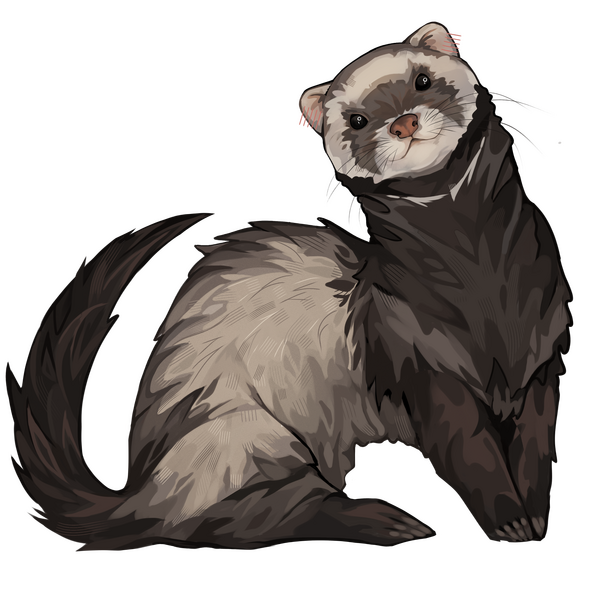
A new litter is currently brewing...
Check again in April to see who has been born!
Contact Us
Have some questions?
We are always available to answer any questions you may have and provide you with suitable resources to guide you on ferret care.
Resources
Ferret Care Guide
Need some care advice for your ferret?
We've made an easy to read ferret care guide for all ferrets purchased from us.Mae's Ferret Care Guide
Adopt or shop?
If you are here, you are looking to 'shop', AKA purchase from a breeder. But have you considered adopting? Are there any ferrets in your local shelter? Have you pondered the pros and cons of adopting an adult ferret versus a young ferret?Here, we will outline ALL the pros and cons. No persuasion. Just cold hard FACTS.YOU decide what is best for you and your family.If you are interested in adopting, WA Ferret & Ferreting Society (WAFFS) rescue ferrets and you can phone their rescue coordinator Stephenie on 1300 133 323 or contact them through their Facebook page.
They also post updates on missing/found ferrets around Perth/WA.
Rescue
Pros
- Already neutered/spayed
- You are giving a ferret another chance to find their home
- Making space for other animals who need rescuing
- Easier to toilet train
- More cost-effective/cheaper than buying from a breeder
- You are supporting charitable organisations
- Community impact
- Intrinsic reward
- Frequent medical checkups/ evaluations
Cons
- Non-ferret specific rescues may not be knowledgeable on ferrets and how to care for them
- May have unwanted behaviours
- May have hidden health conditions
- May have unknown specific age of ferret
- Can behave differently/ unexpectedly once brought home
- Typically has more paperwork
- May have unknown history
- May require a long waiting period
- If you care about aesthetics, higher chance of mixed-breeds
- Their energy level/temperament may not suit your lifestyle
- Unethical rescues may lie to get ferrets out of their care, BEWARE!!
Breeder
Pros
- Known family heritage & genetics
- More ferret-centric knowledge
- Low/zero hereditary problems
- More predictable behaviour/ personality/ health
- Easier to shape their personality and behaviours when young
- Early socialisation training
- Breed specificity; you are getting a specific breed
- Supports local small businesses
- Longer relationship with your ferret
Cons
- Young ferrets are harder to toilet train
- Young ferrets (typically) are more prone to biting than older ferrets
- More sensitive stomach whilst young
- Young ferrets require more attention and play in their younger months
- You will have to pay for future neutering/spaying
- May develop bad habits over time without proper guidance/training
- Bigger upfront and long-term cost than adoption
- Certain breeds/colours are more prone to specific health conditions
- Less altruistic
- May contribute to overpopulation
- Younger ferrets still need to go through teenage years and may be hormonal during this
- Please ensure you only adopt from ETHICAL breeders, NOT backyard breeders!!!
Got some questions?
What do I need to buy?
Simplified summarised shopping list:
- Food you intend to transition them to
- Secure cage/hutch
- Inexpensive towels/blankets
- Ceramic bowls x2 (food + water)
- Chew toys/cat toys
- Vinegar & Enzyme cleanerFor an extended guide, please read: Mae's Ferret Care Guide
How big will my ferret/s get?
Males are much larger than females and typically grow to a healthy 1.7–2.7kg in weight. Females are just over half that, sitting around 0.8–1.5kg. Smaller than a cat, but bigger than a rat. Neutered ferrets tend to be on the smaller side of things.
Do they bite?
Do puppies bite? Same as them, you'll need to train them to NOT bite you and instead bite toys or chews. Ferrets love to lick fish oil, which may help associate you with positive things and not a chew toy.
Ferrets have 2 kinds of bites: play bite and hard bite. A play bite shouldn't hurt. If it hurts, it's a hard bite, and should be corrected. The best way to correct a ferret is with a firm, "UH!" noise and put them in timeout in separate carrier. Ignore them for 5 minutes, no longer. After that time, take them out and use calm, gentle hands. If they do a hard bite again, repeat the process.
Do they pee everywhere?
Ferrets are able to be toilet trained just like a cat. They prefer to back up and do their business in a corner, so try to put a low-edge litter box in corners for them. If they have an accident, use a 1:1 vinegar-water solution to clean it up. Ferrets don't like doing their business on soft things, so putting blankets in corners you don't want them toileting works well.
Which is better, boy or girl?
This really depends on your living situation and personal preferences. Males are generally more attentive to you whilst females are more attentive to their surroundings. Males are cuddle-sized, females are play-sized. This is not a fit-all, guide however, as personality comes into play as well. Intact male ferrets are a lot stinkier than females during mating season (August-February) but intact females NEED to be mated when in heat or they can die.
Desexing at the appropriate age means these issues won't bother you as much.
What food should my ferret eat?
Ferrets are obligate carnivores. Whole prey or raw meat is recommended, as it reduces the smell of their poop. They can also have a treat of lactose-free milk and raw egg yolk once a week. If this doesn't fit your lifestyle, you can offer them dried raw such as Ziwi Peak Air Dried Pet Food and Feline Natural Freeze Dried.
Avoid: Fish, grains, rice, wheat. Vetafarm Ferret Origins is NOT suitable ferret food!
What should their home be made of?
Metal is best, as ferret smells can soak into wood really quickly and metal cages are easier to clean. If you want the aesthetic of a wood home base, then go ahead, but be prepared for extra time spent cleaning!
Are they dirty? Do they carry diseases?
Ferrets may smell a bit more during mating season if not spayed, but this is only oils on their furs, which gives them a nice shine, and they are typically fairly clean. They're more like cats than dogs; they groom themselves and don't generally need to be bathed.They can be vaccinated with the same vaccine that dog's receive at a lower dosage. Please call in with your local vet to ask beforehand. We always recommend Dr David Neck at Cottesloe Vets.
Help! Something is wrong with my ferret!!
If you believe it is not life-threatening, you are always welcome to contact us for guiding information or advice. This includes: bite-training, making strange sounds, dandruff, toilet training.If the situation is serious, please take your ferret to a veterinarian who has knowledge on caring for ferrets!! This includes: lethargic behaviour, loss of appetite, drooling, panting, hair loss, weight loss, fever/hypothermia, swelling, etc.
We recommend Cottesloe Vets with Dr David Neck.
What if I can't take care of my ferret after I've adopted them?
Before you send them to a shelter or rescue, PLEASE contact us! We specialise in caring for ferrets. A lot of typical veterinarians and non-ferret based rescues DO NOT understand a ferret's diet nor their care requirements. We will be happy to take them in and find them a new home, no charge to you.We stay listed as the second contact on their microchip, so if you lose our contact number, you can ask a nearby veterinarian to scan the chip to retrieve the number and contact us.The WAFFS Rescue Coordinator is also aware of our BBA's and to return ferrets to us. Nonreturns is a breach of the mutually signed agreement.